


recommend
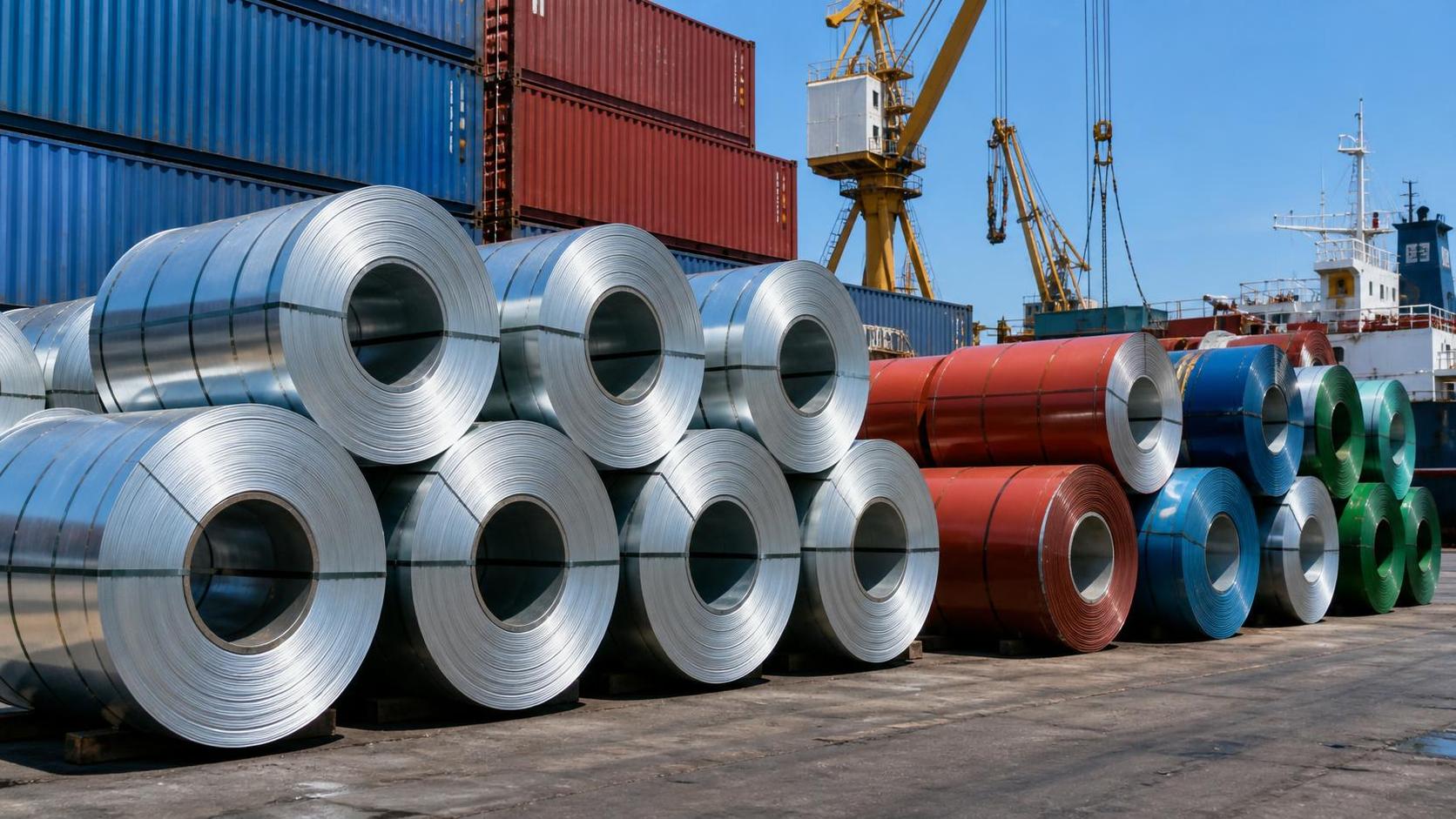
 Large Shipment of Galvanized and Color-Coated Steel Coils Dispatched for Southeast Asian PV Facility Infrastructure Projects
 Middle East Engineering Procurement Delegation Visits Facility to Inspect Production, Warehousing, and Quality Control Systems
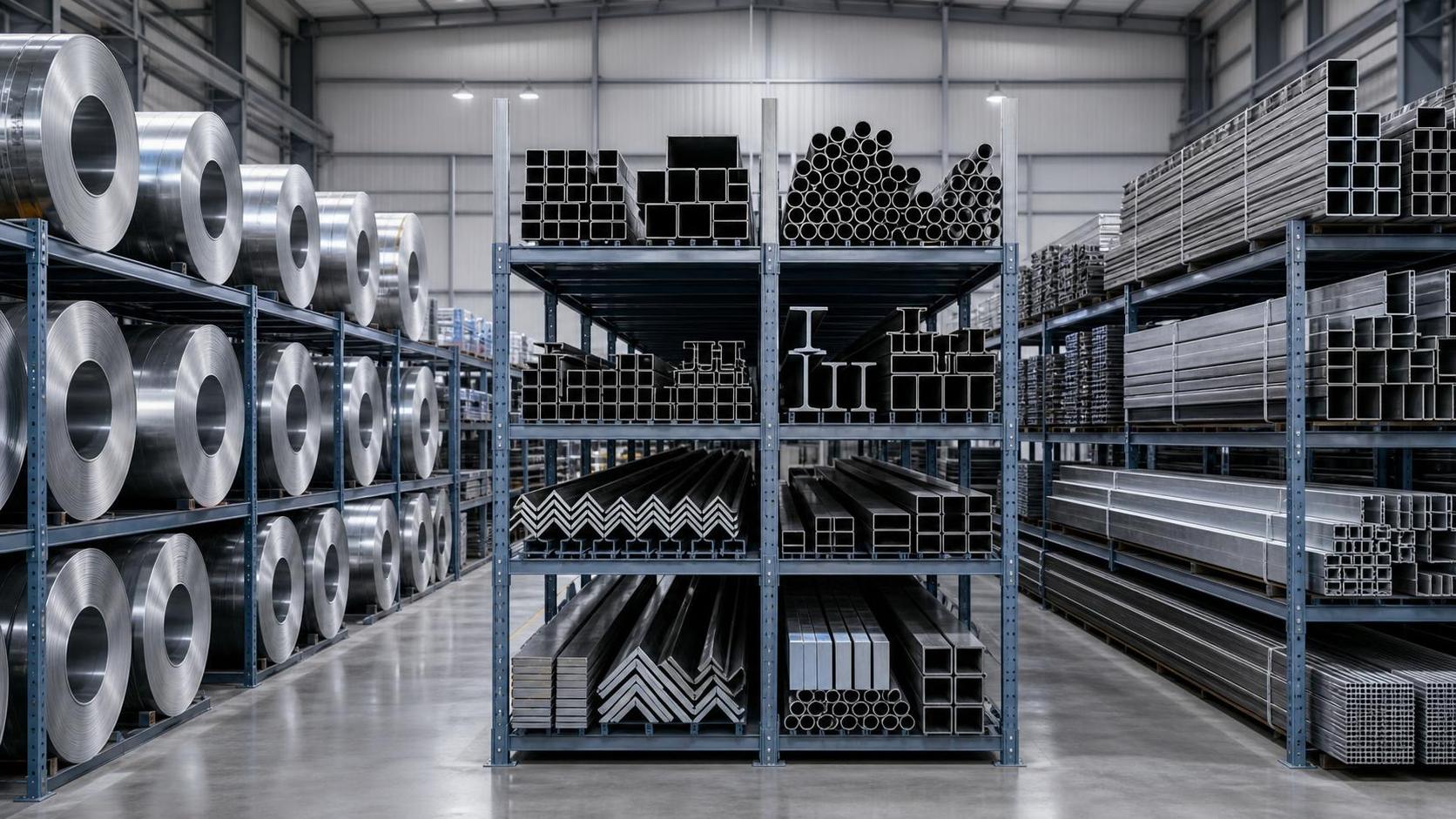
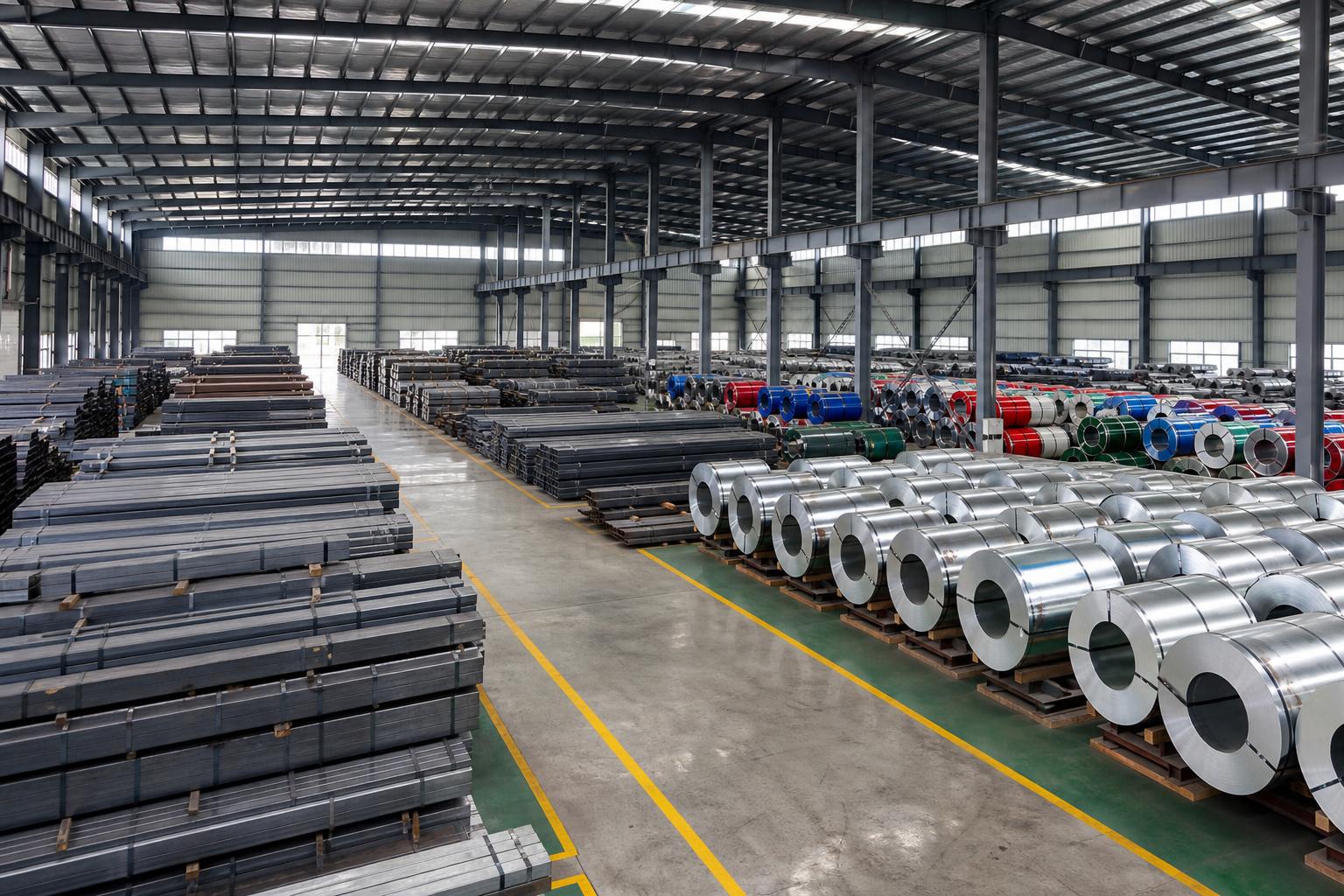
 Comprehensive Warehouse Expansion and Upgrade—Spot Inventory of Carbon, Stainless, and Galvanized Steel Exceeds 10,000 Tons
 New Automated Production Lines for Stainless Steel and High-Zinc-Coated Steel Boost Capacity by 40% to Meet Overseas New Energy Project Needs

Send Us A Message
2026 Overseas Steel Export Packaging Standards—Preventing Rust, Deformation, and Damage During Ocean Transport
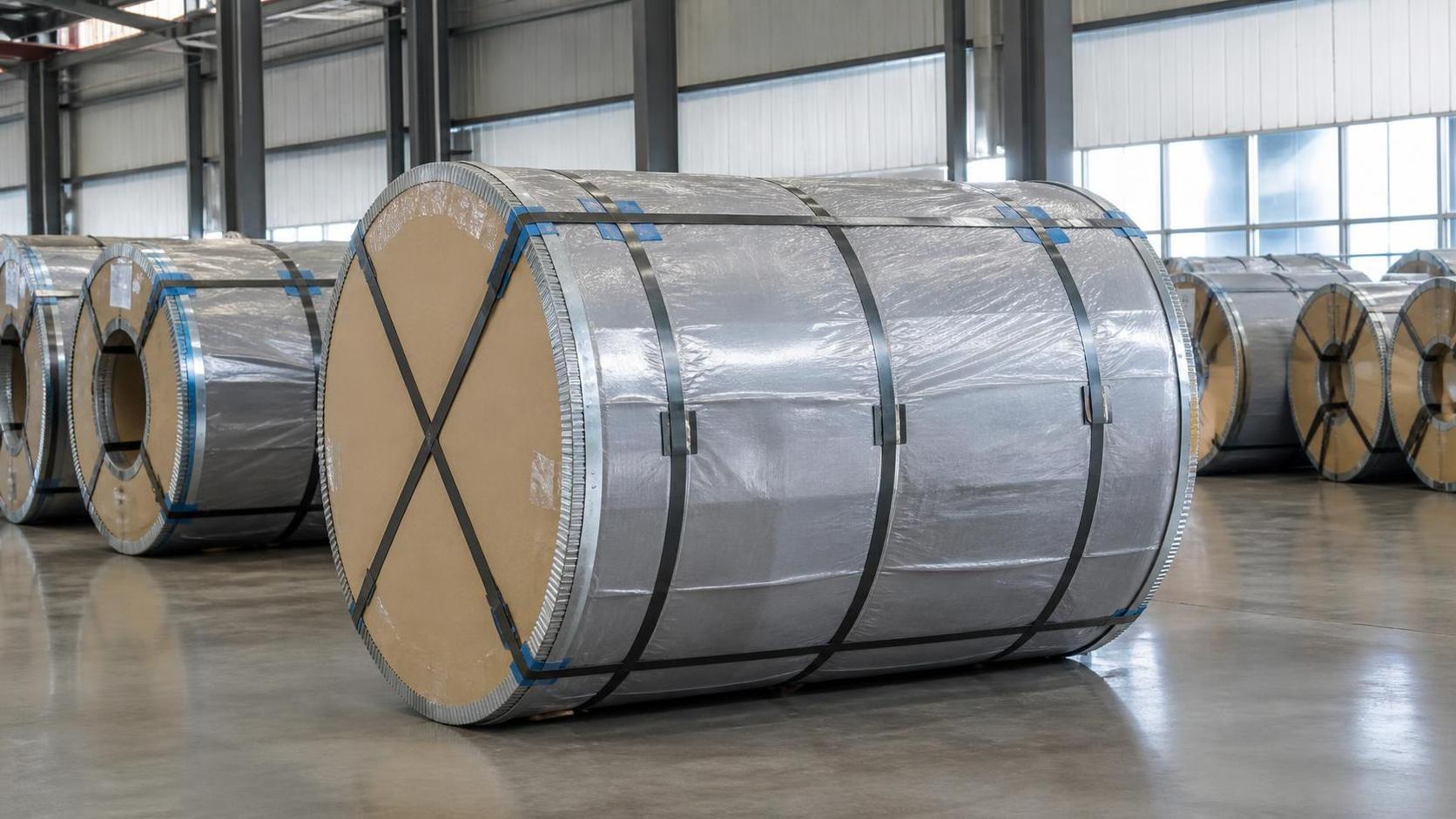
Long-distance ocean transport exposes steel products to risks such as moisture-induced oxidation, deformation from impact, and surface scratches. Standardized export packaging is crucial for ensuring the goods are delivered in perfect condition; Zhong Ersheng outlines the standardized export packaging process here.
Coil Packaging: Fully wrapped in dual-layer (inner and outer) waterproof and anti-rust film, with protective paper caps on both ends and reinforced steel strapping around the outer circumference;
Plate/Sheet Packaging: Sorted and stacked with moisture-proof cardboard layers at the top and bottom, secured within a solid wood frame, and fitted with anti-collision edge protectors;
Specialized Packaging for Stainless Steel and Copper: Sealed in vacuum anti-rust bags to block out seawater moisture and prevent surface oxidation or discoloration;
Container Loading Standards: Goods are separated into layers using timber dunnage at the base and secured with both transverse and longitudinal steel strapping to prevent shifting or impact during transit. Our factory strictly adheres to these packaging standards for all exports. We also offer customized, heavy-duty anti-rust packaging tailored to specific destination ports and climatic conditions, minimizing shipping losses at the source and reducing quality-related disputes upon delivery.
Please give us a message