


recommend
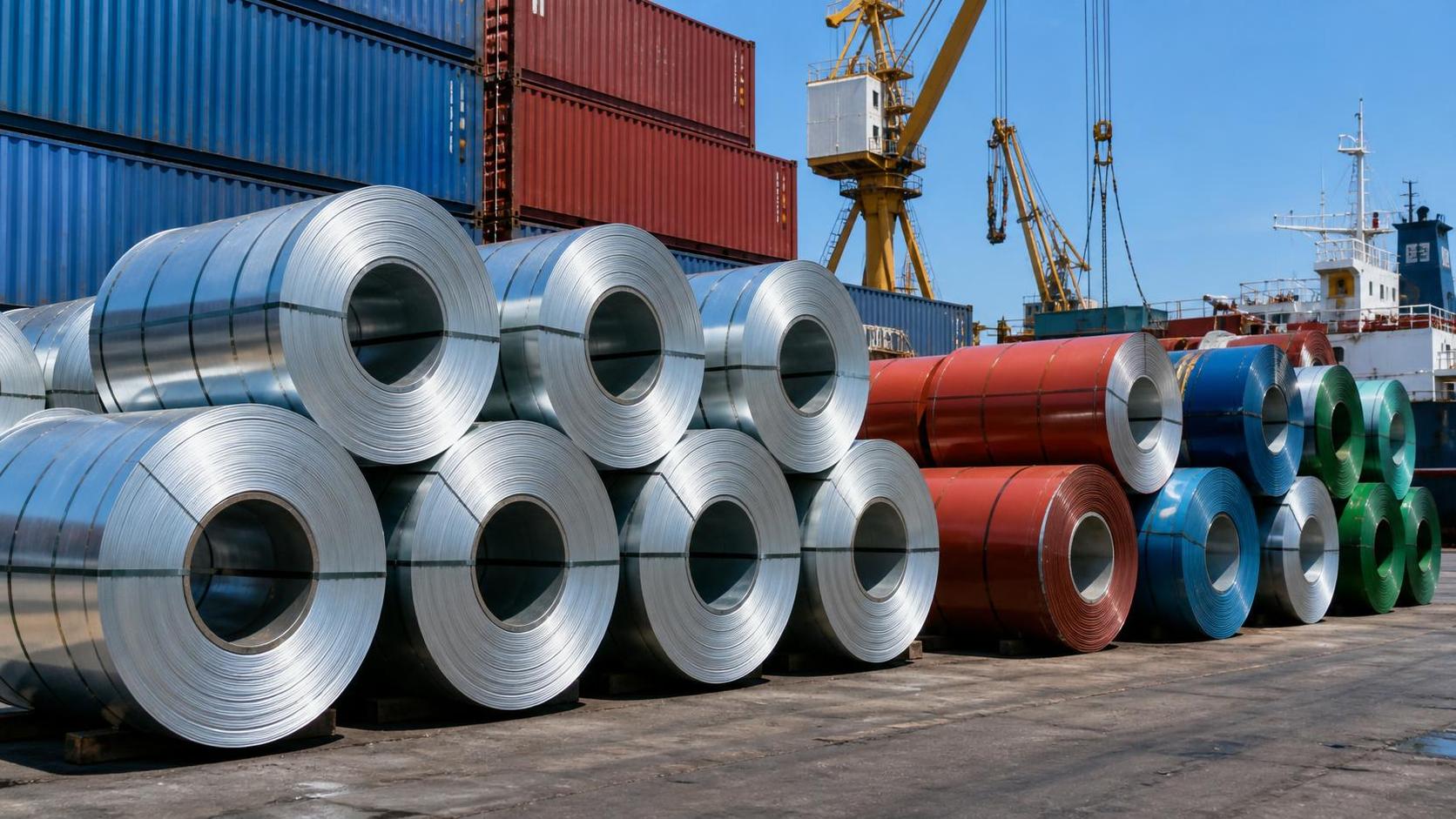
 Large Shipment of Galvanized and Color-Coated Steel Coils Dispatched for Southeast Asian PV Facility Infrastructure Projects
 Middle East Engineering Procurement Delegation Visits Facility to Inspect Production, Warehousing, and Quality Control Systems
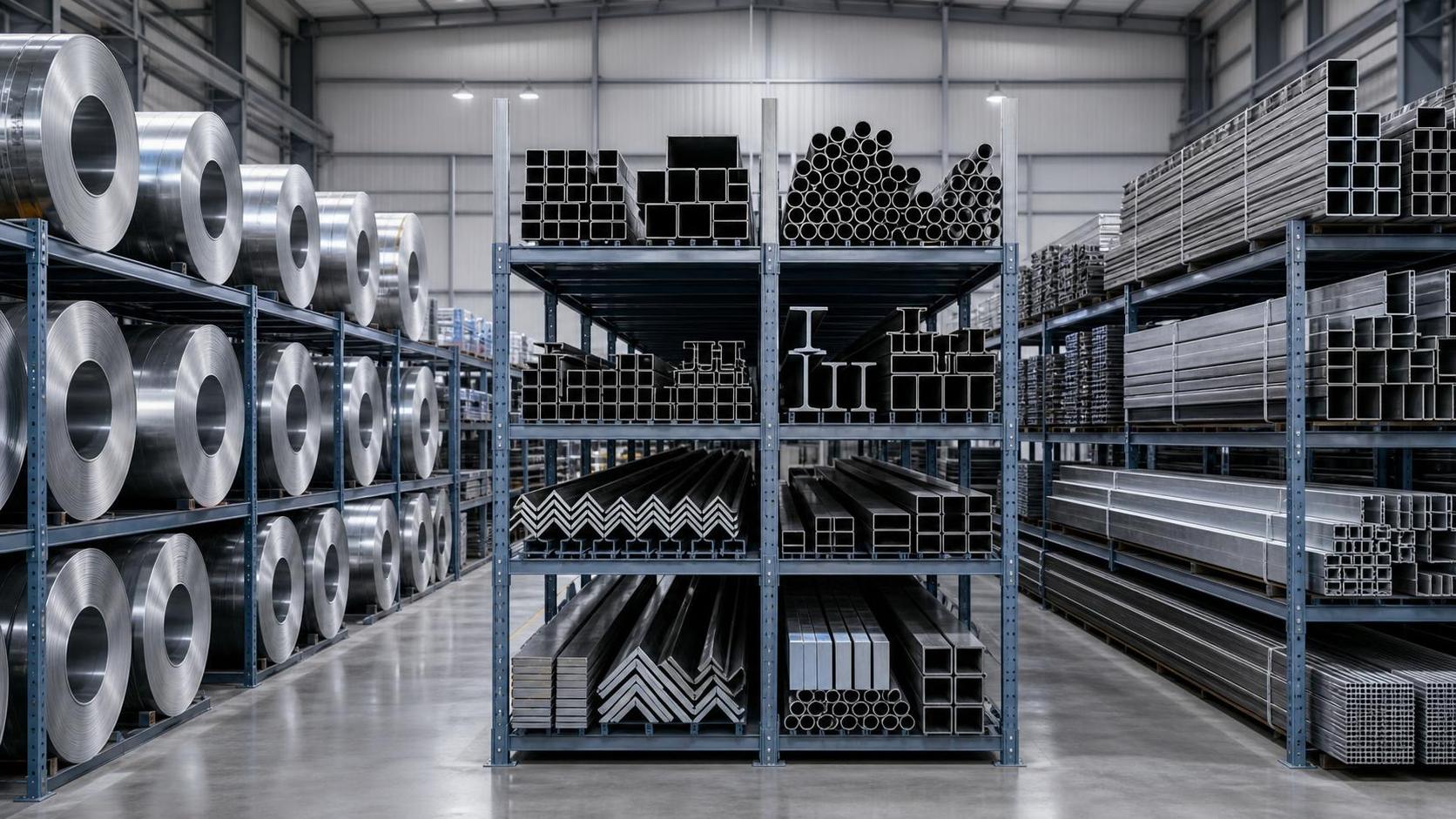
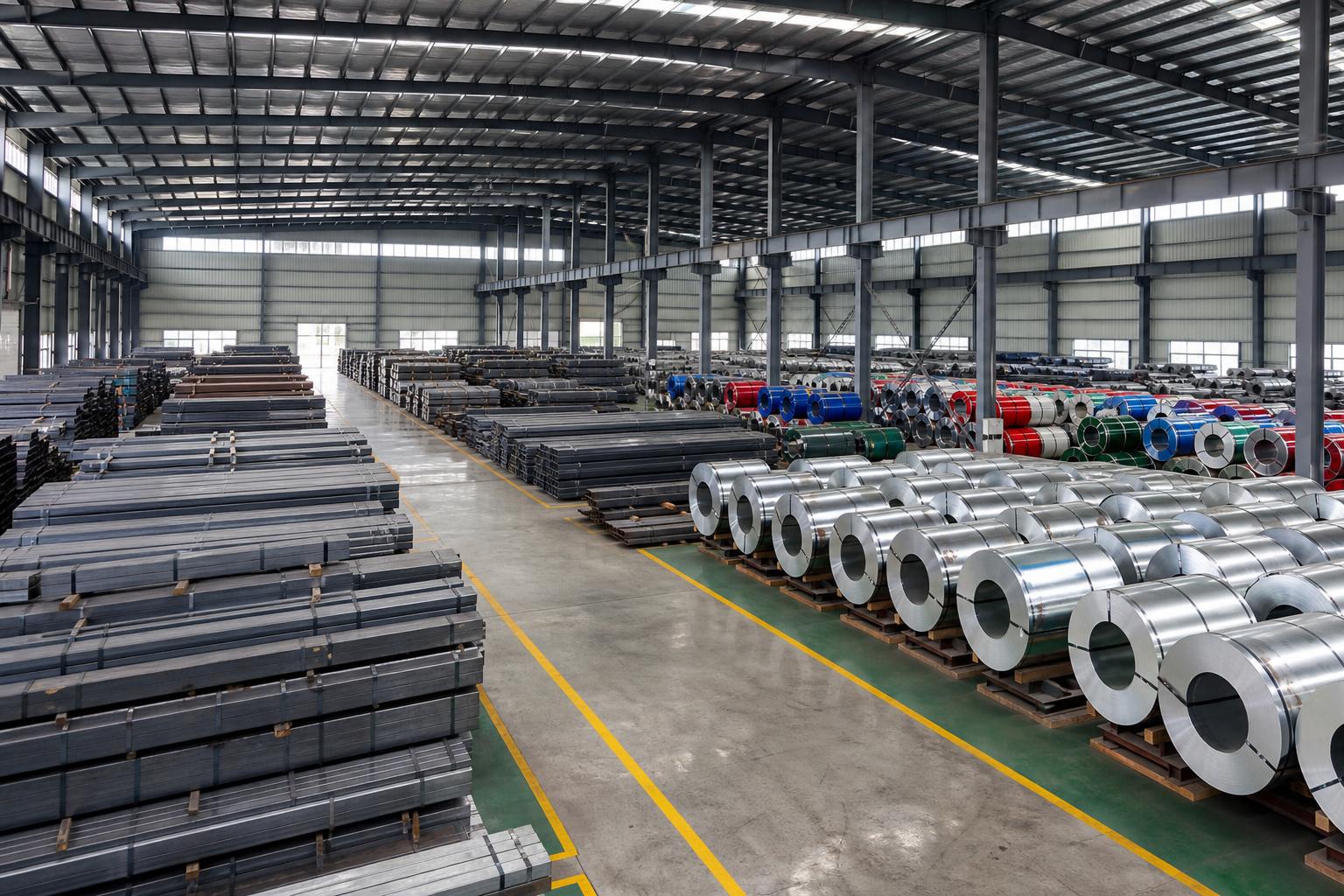
 Comprehensive Warehouse Expansion and Upgrade—Spot Inventory of Carbon, Stainless, and Galvanized Steel Exceeds 10,000 Tons
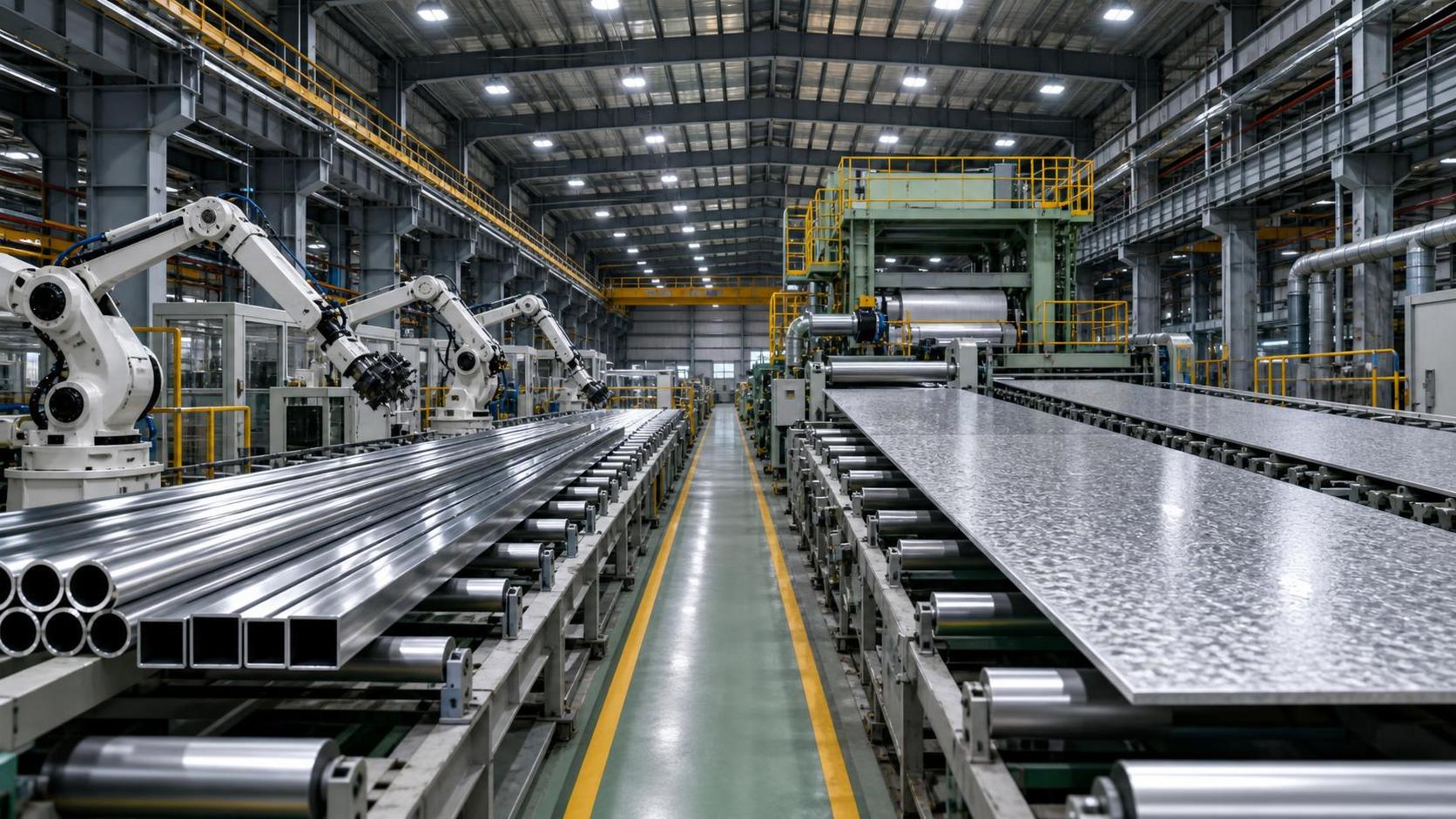
 New Automated Production Lines for Stainless Steel and High-Zinc-Coated Steel Boost Capacity by 40% to Meet Overseas New Energy Project Needs
Send Us A Message
Five Key Tips to Avoid Pitfalls in Overseas Steel Procurement—Mitigating Risks Related to Material, Delivery, Documentation, and Shipping
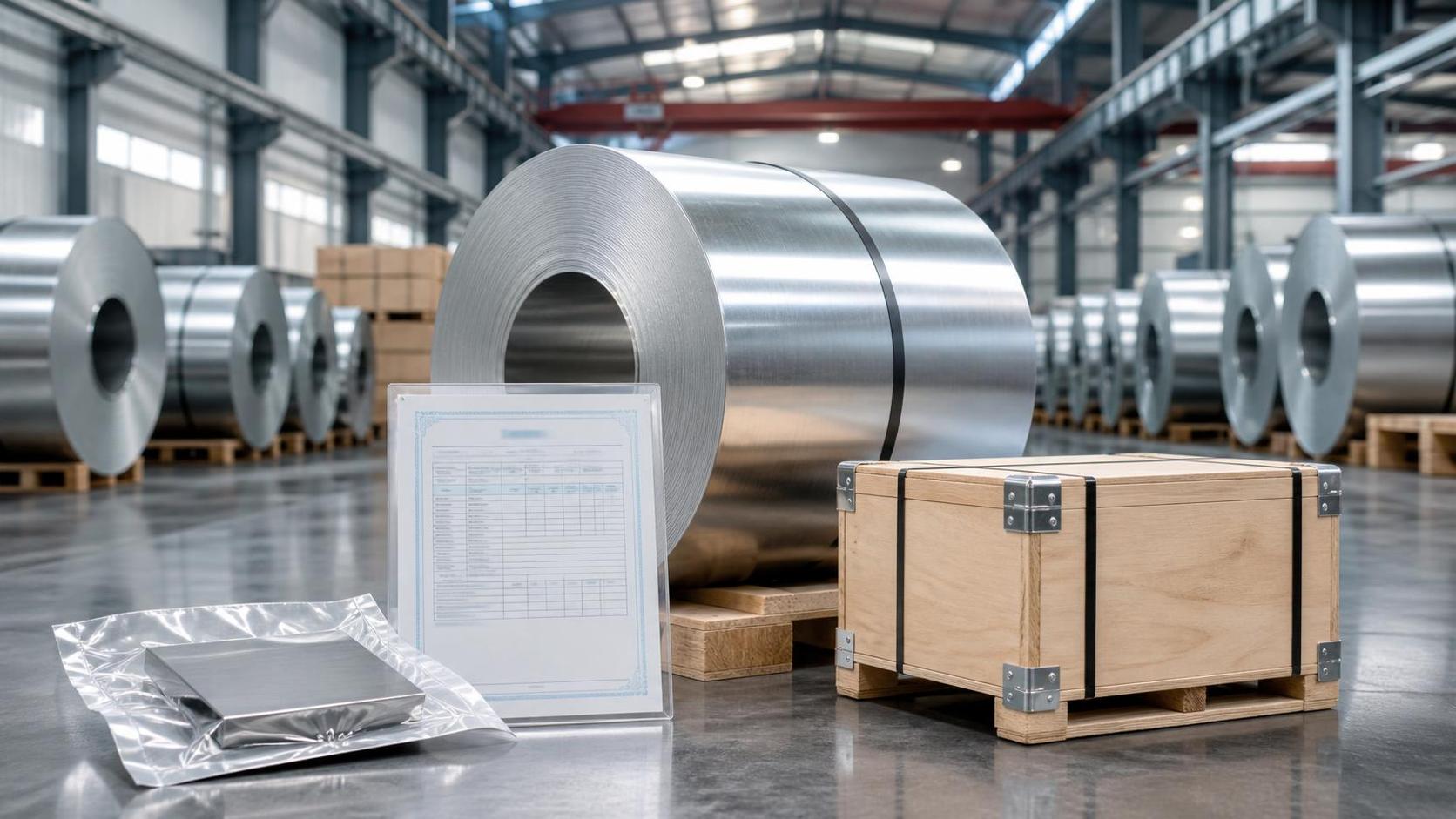
To address common issues faced by overseas buyers—such as material mismatches, substandard coating thickness, delivery delays, missing documentation, and rust during ocean transit—Zhong Ersheng has compiled a professional guide to help minimize losses in overseas procurement.
Clearly specify material grades in advance: Confirm stainless steel grades (e.g., 201, 304, 316) and carbon steel grades (e.g., Q235, Q345), and specify zinc coating weights for galvanized steel to prevent project failure caused by material mix-ups.
Require original manufacturer material test certificates: Reputable manufacturers provide a Material Test Certificate (MTC) with every batch for customs clearance and project acceptance.
Prioritize anti-corrosion solutions for coastal, high-humidity projects: Select options such as heavy-duty hot-dip galvanizing, 316 stainless steel, or fluorocarbon-coated sheets for rainy coastal areas to reduce future corrosion-related maintenance costs.
Communicate processing and packaging requirements early: Ocean shipments require vacuum anti-rust protection and reinforced wooden crating; specify tolerances for cutting and bending on drawings beforehand.
Verify supplier production and export qualifications: Prioritize enterprises that own their factories and hold full import/export credentials to ensure one-stop issuance of complete customs documentation and avoid export delays. All goods leaving the Jiangsu Zhong Ersheng facility undergo triple quality inspections and come with complete material certificates and standardized anti-rust export packaging; a professional foreign trade team manages orders throughout the process to comprehensively mitigate all overseas procurement risks.
Please give us a message